
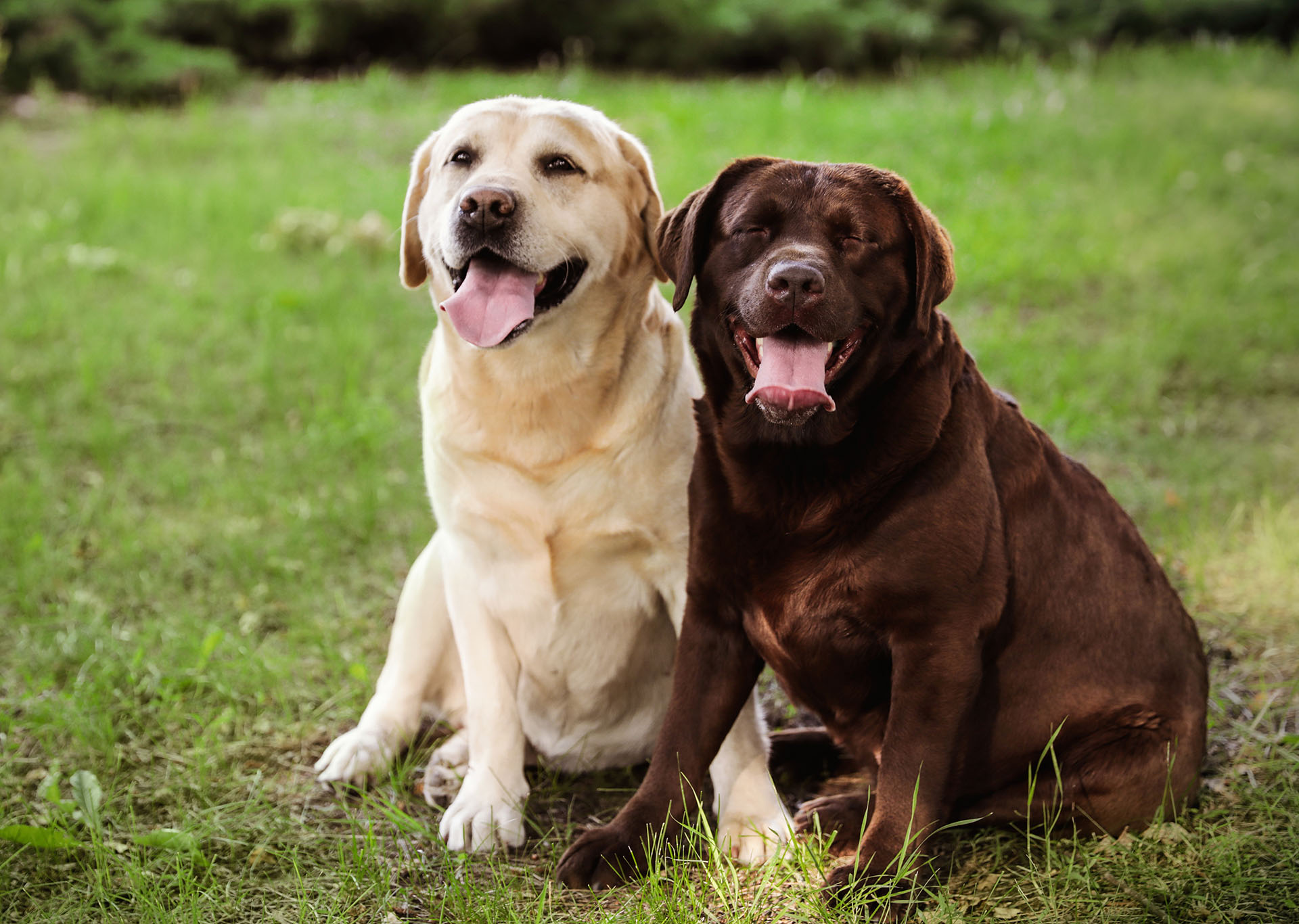
Someone will say it within the first fortnight. Usually kindly, usually someone who means well. It was just a dog. At least he had a good life. Will you get another one?
And you will smile, and say something reasonable, and then sit in the car park afterwards not quite able to start the engine.
If that is where you are, this is for you. What you are feeling is not out of proportion. Below are words you can use the next time it happens, and ways to find the support the people around you may not know how to give.
Why the comment hurts more than it should
When we lose a person we love, the people around us make room for sorrow. Nobody suggests a replacement. When a pet dies, the sympathy often runs out early, and it can come with comments that are well meant and still hurtful. That is as true for a cat, a bird or a horse as it is for a dog.
Kenneth Doka gave this a name in 1989: disenfranchised grief. It describes a loss that is real, but that the people around you do not fully recognise. So you go back to work the next morning and nobody asks, and the gap widens between what you feel and what you feel allowed to show.
That gap is what makes it heavier. Not the love. The silence around it.
What to say when someone says it
You do not owe anyone a defence of how much you loved your pet. But having a sentence ready means you are not caught out, and you are not left swallowing it until you reach the car. Change the words so they sound like you.
When it is a friend who means well
“I know it might seem like a lot from the outside. [Name] was part of my family, and I’m really missing them. I don’t need advice right now; it would help if you could just listen.”
When it is family asking about a new pet
“Maybe one day. Right now I’m still missing [name], and I’m not ready to think about that yet.”
When it is a colleague, and you would rather leave it there
“Thanks. It’s been a hard week. I’d rather not talk about it at work, but I appreciate you asking.”
Most people are not being unkind. They do not know what to say. Telling them what helps gives them a way to get it right, and gives you back some say in the conversation.
How to ask for the support you actually need
Grief that is not recognised tends to go quiet. People stop mentioning it, and it gets harder to carry rather than easier. These are small ways to bring it back into the open.
Tell one person exactly what would help. Not “I’m fine,” and not a hint. “Could you come for a walk on Saturday? I don’t want to do our old route on my own.” A specific ask is much easier for someone to say yes to.
Find people who already understand. Someone who has lost a pet of their own will rarely need it explained. A friend, a neighbour or someone at the dog park may be exactly the right person to talk to. Passing Paws also hosts free empathy sessions, facilitated by an experienced and professional pet grief counsellor, where you can share your grief in a supportive and understanding environment.
Be plain with work. If you need a day, you can say so without detail: “My dog died on the weekend and I need a day.” If work is what gets you through, that is fine too.
Keep saying their name. At home, with friends, in a message. Grief gets lonelier when a name stops being spoken, and when you use it, you give other people permission to use it too.
Is what I am feeling normal?
Shock, sadness, guilt, anger and a physical ache are all common. Guilt often lingers longest, especially if you had to decide when. None of it means you are grieving badly, and there is no timetable. You will have a steady day, then find a lead in the boot of the car and it opens again. That is not going backwards.
Free guide: Understanding and Normalising Grief
What grief after a pet actually looks like, the feelings that catch people off guard, and practical ways to get through the day. For the moments you wonder whether you should be further along by now.
If there are children in the house, they will take their cue from you. How to Explain Loss to Children helps with the words. Download the guide →
When it is time to talk to someone
Talk to someone if your grief is not easing at all, if you feel isolated, or if you are struggling to keep up with work, meals or sleep. Pushing grief down tends to make it last longer, not shorter. It does not have to be a friend or family member. Your GP is a good place to start, and there are counsellors in Perth who specialise in pet loss.
Free guide: Where to Find Help
A short list of Perth and WA support if you want to talk to someone, including a pet loss bereavement counsellor, a psychologist and WA grief and loss services.
Passing Paws offers complimentary pet loss grief counselling, and you can book an individual session. If you are not sure where to start, the team can help point you in the right direction. Call 08 9306 2736.
If you are in crisis or feel unsafe, call Lifeline on 13 11 14, any time of day or night.
The next person who says it
You will probably hear it again. You are unlikely to change anyone’s mind standing in a car park, and you do not have to.
What you can do is stop treating their reaction as the measure. The bond was particular to the two of you, and nobody standing outside it is well placed to size it.
You are not overreacting. You are grieving, and it was never just a dog.